Is Australian Beef Halal? A Melbourne Shopper's Guide
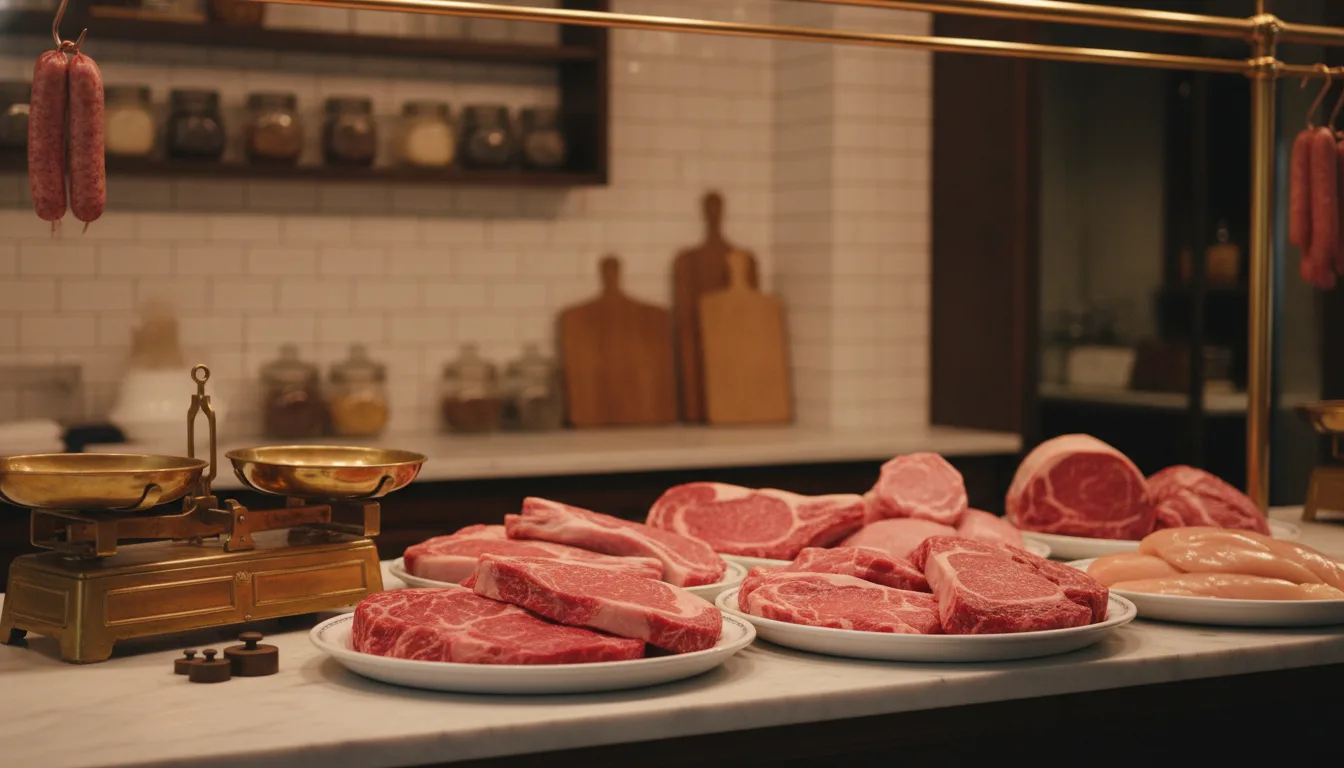
Most Australian beef is processed for export under halal certification, but that almost never reaches the supermarket label. Here's how to actually tell.
It's one of the most common questions we get, and the answer is genuinely counterintuitive: a great deal of Australian beef is processed under halal certification, and almost none of it is labelled that way in the supermarket.
Here's how to make sense of that.
Certification is about the abattoir, not the animal
There's nothing about Australian cattle that makes beef halal or not. What matters is how the animal is slaughtered and processed, and whether a recognised certifier has audited that facility.
Australia exports a large volume of red meat to Muslim-majority markets, and those markets require certification. So a significant share of Australian processing capacity is certified, because the export contracts demand it, not because of the domestic market.
Why the label doesn't say so
Certification for export doesn't automatically become a claim on a domestic package. A plant can be certified, run a certified shift, and still sell into Coles or Woolworths in packaging that says nothing about halal at all.
Which means the absence of a halal label tells you very little. It isn't evidence either way. That's frustrating, and it's the single biggest source of confusion on this topic.
It also cuts the other way: you can't assume a supermarket cut is halal because "most Australian beef is certified". Without a label or a supplier statement, you don't know.
What actually counts as evidence
Three things, in descending order of usefulness.
A certificate from a recognised Australian certifier, naming the business and with a current expiry date. Bodies operating in Australia include ANIC, AFIC and ICCV, among others.
A supplier certificate, where the shop itself isn't certified but its meat supplier is. Common, and reasonable, but it's a claim about the supply chain rather than the premises.
A clear statement from the business about where it sources meat and how it's handled. Weakest of the three, and worth exactly as much as your trust in the person saying it.
Good to know: a certificate has an expiry date. A certificate from 2021 on the wall isn't evidence of anything today. Check the date, not just the frame.
The simplest answer: buy from a halal butcher
If you want certainty without an investigation, this is it. A dedicated halal butcher deals with one question all day and can answer it directly.
A few in our directory with strong local followings:
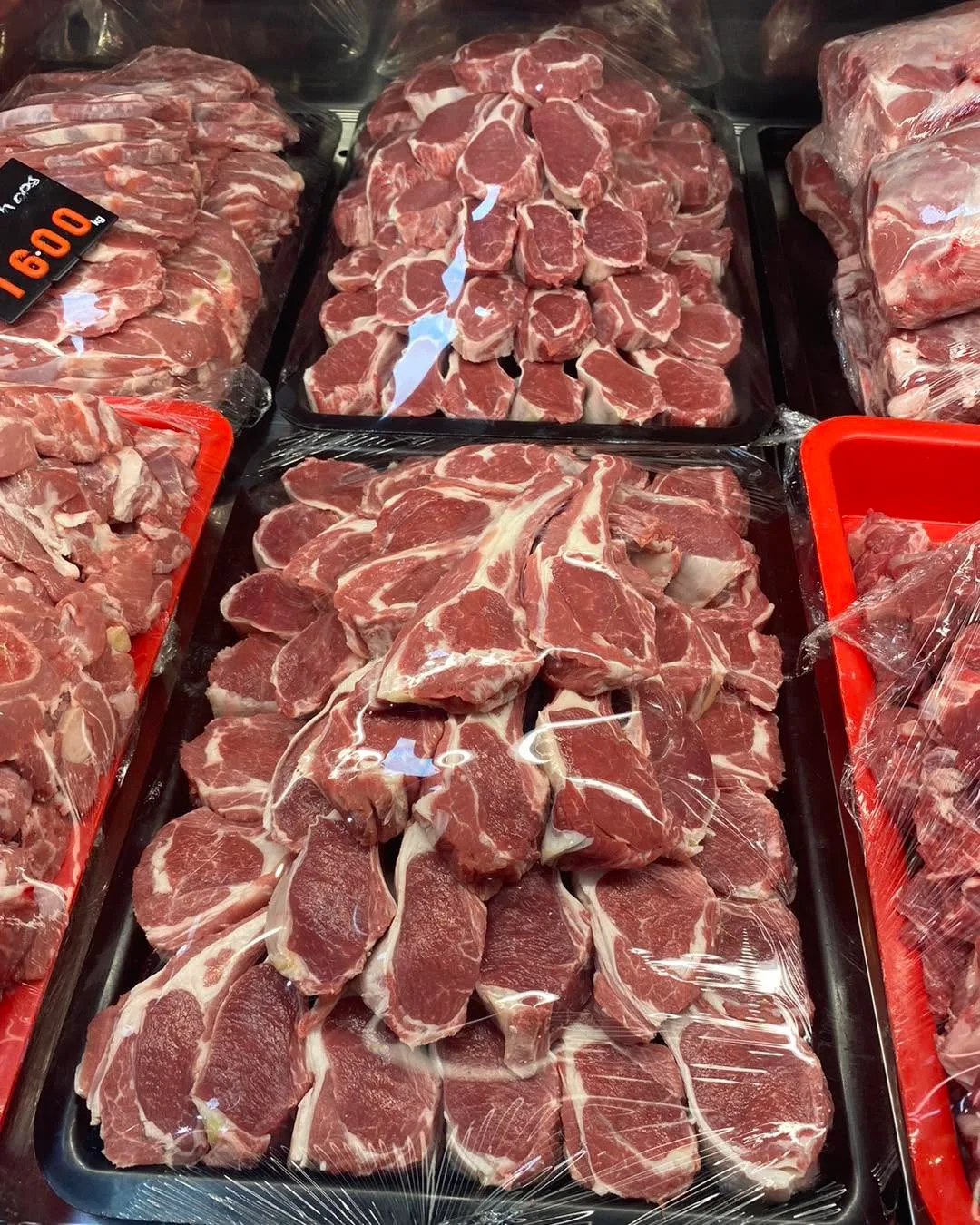
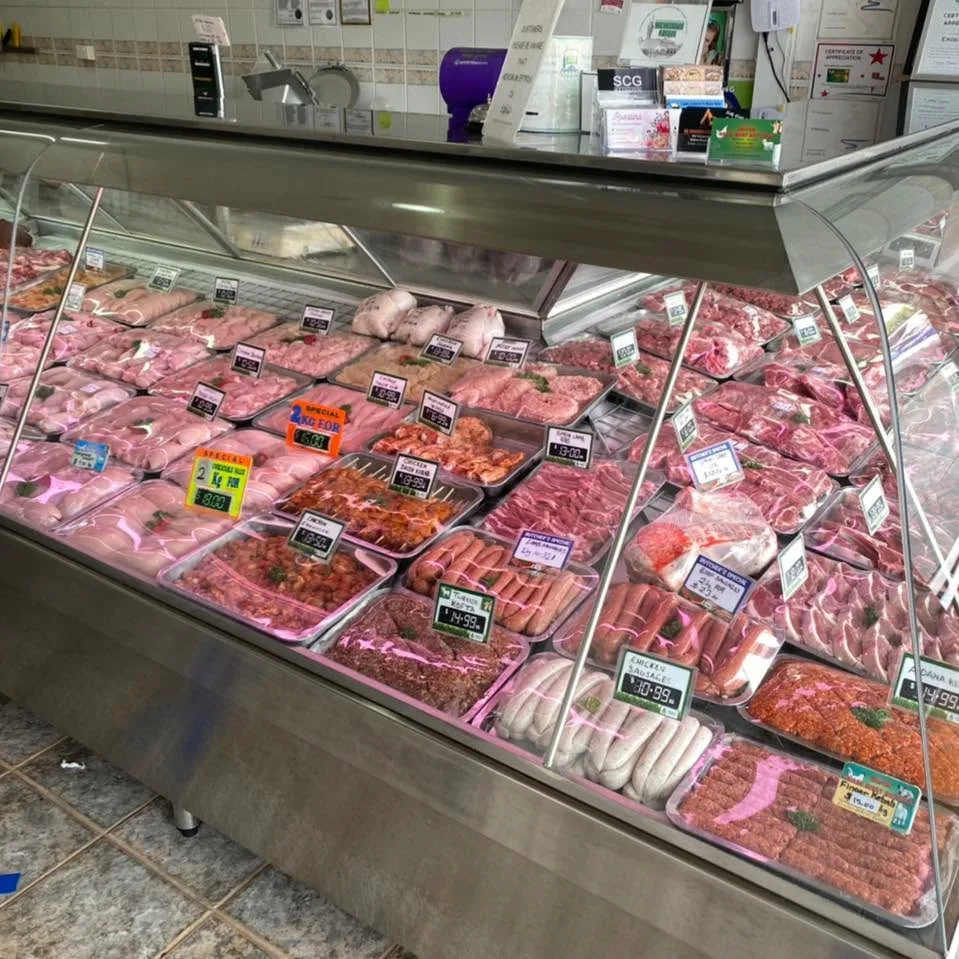
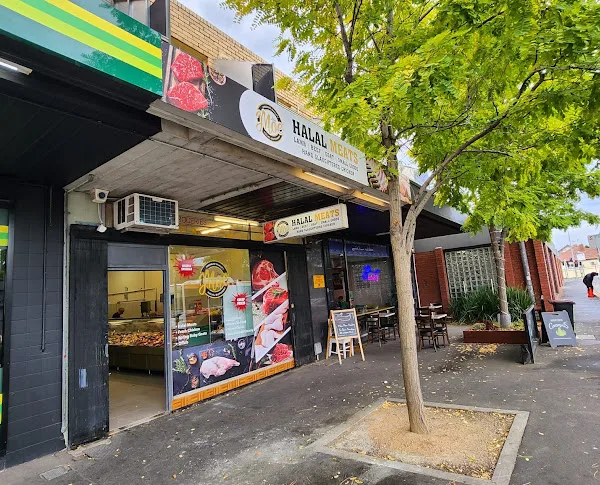
Ask to see the certificate. A good butcher won't be offended, and most keep it where you can see it anyway.
The short version
Australian beef isn't inherently halal or haram. Certification attaches to facilities, most domestic packaging won't tell you either way, and the reliable path is a certified butcher or a business that can show you paperwork.
Browse halal butchers across Melbourne in our directory.
How we check. Halal Food Melbourne is a directory, not a certifying body. Where a venue carries a badge, we've seen evidence: a current certificate from a recognised Australian certifier, or their supplier's. A venue without a badge hasn't been through our checks yet, which doesn't mean it isn't halal. If halal status matters to you, always confirm with the venue.
Been to one of these lately? Tag us on Instagram, Facebook or TikTok @HalalFoodMelbourne and tell us what you ordered.
Comments (0)
Comments are reviewed by our team before they appear.
No comments yet.
Loading...